
Laser technology now reaches many fields and industries. Understanding its effect on the eyes — and how to stay protected — is essential for safe operation.

A non-contact, heat-based process, laser cutting delivers precision and edge quality beyond conventional methods — here are five advantages it brings across varied thicknesses and complex shapes.

Traditional cutting often wastes material and limits quality. Here are the criteria for judging processing quality when cutting metal with a laser cutting machine.

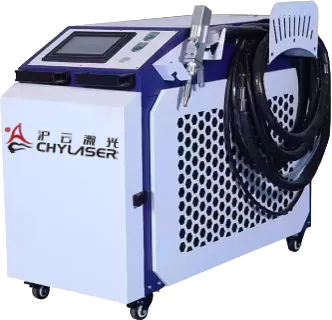
Since the 1990s, laser welding has spread into fields from smartphone communication to smart manufacturing — with a bright future in industrial production and processing.

As industry advances and electromechanical output rises, cleaner and more efficient laser processing plays a growing role in sustainable manufacturing.

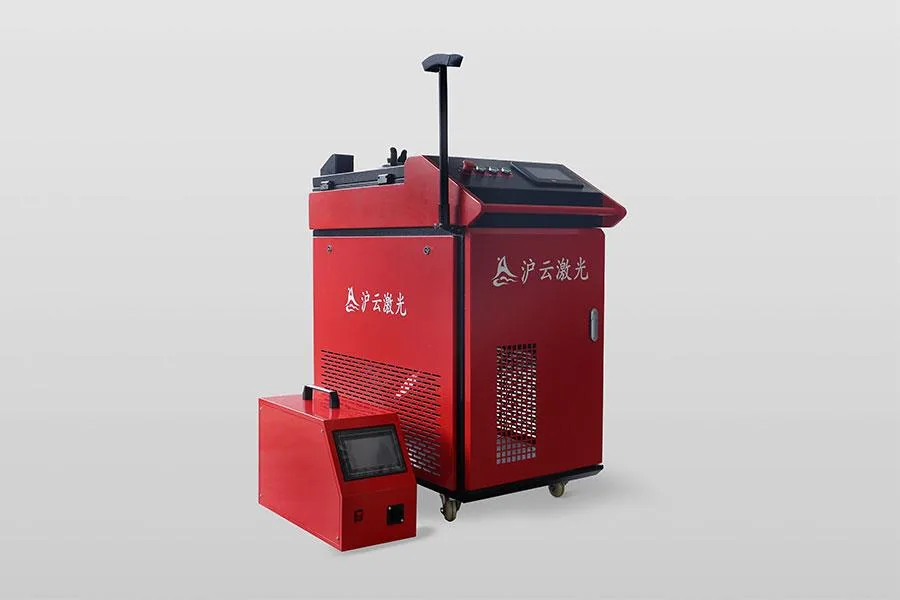
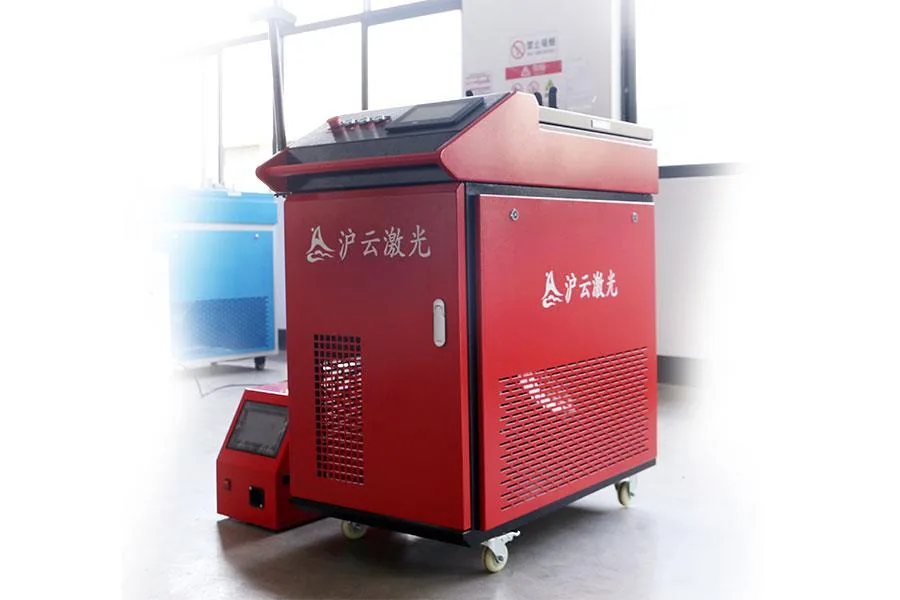
Why laser welding outperforms traditional welding equipment — welding hard-to-reach joints, enabling automated welding and producing smaller, higher-quality welds.

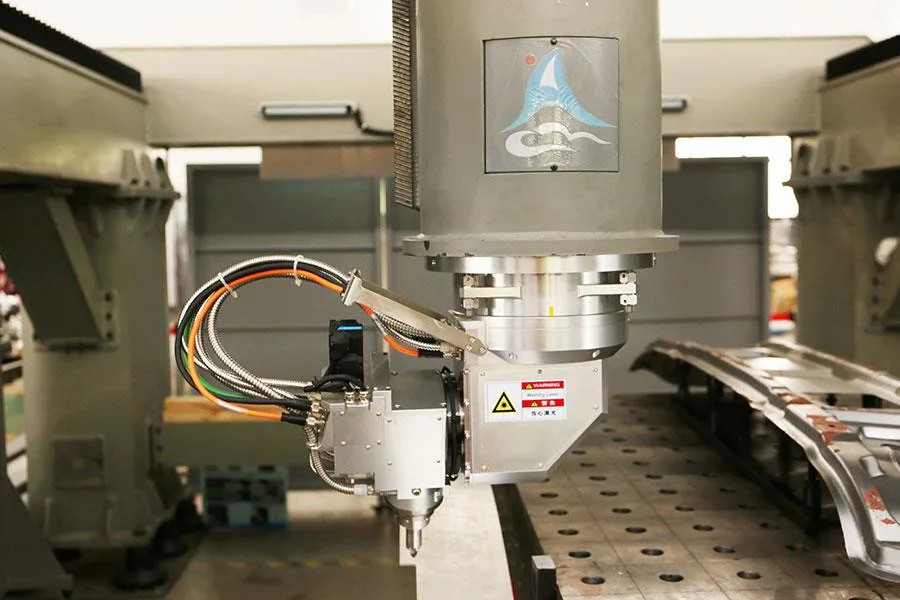
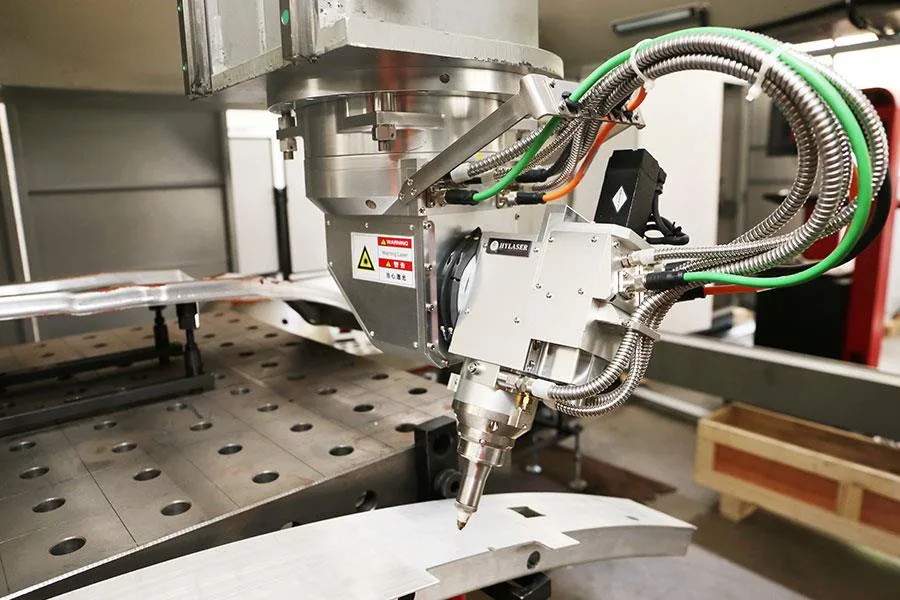
The role of the fibre laser cutting machine in modern manufacturing: efficient, precise cutting of both metallic and non-metallic materials, with safe operation.

The key factors that directly influence laser welding — material properties, laser power, welding speed, focal position and shielding gas — and how each shapes the final weld.