

Double Your Profits! Laser Marking Machine in the Consumer Electronics Industry
Computers and consumer electronics are essential in everyday life and work — here is how laser marking adds value and lifts returns across this fast-moving industry.
These industries use it to exponentially increase their profits!
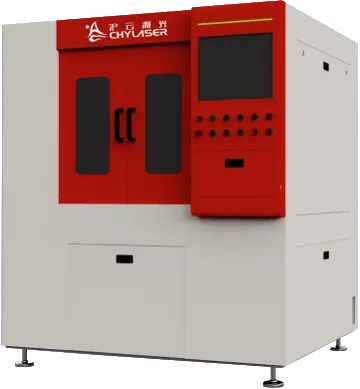
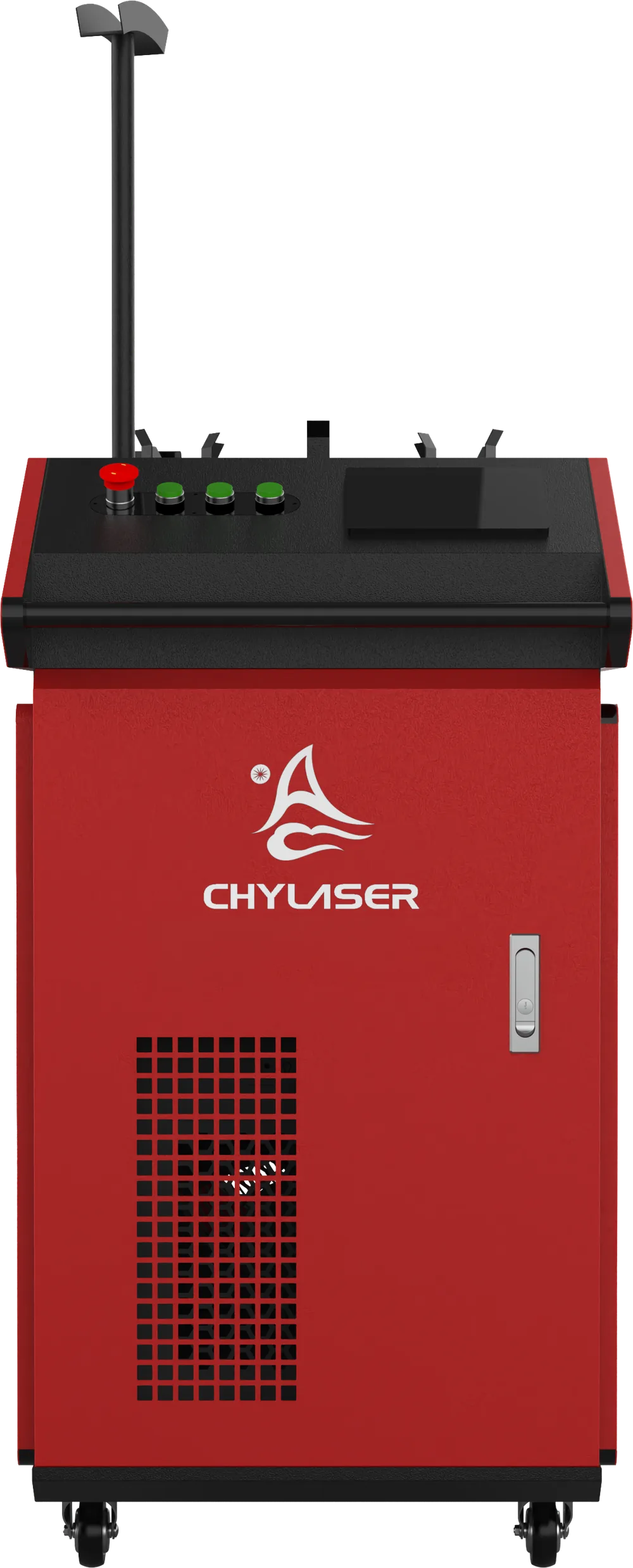
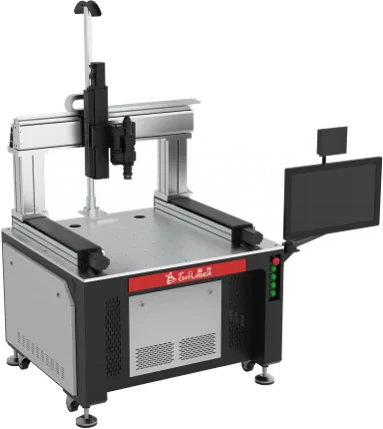
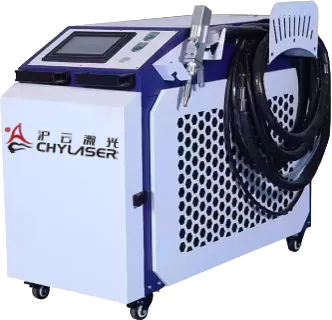
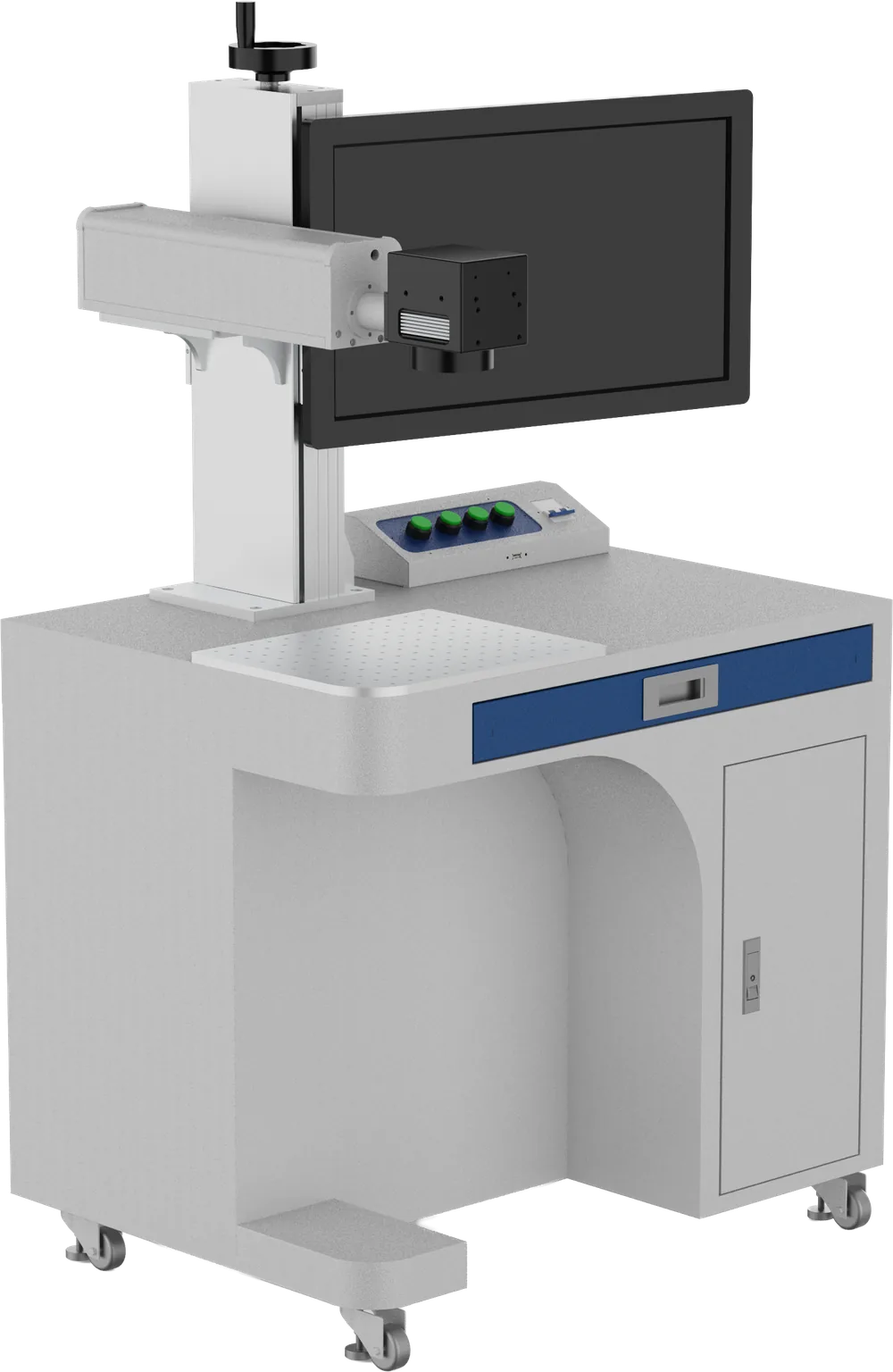
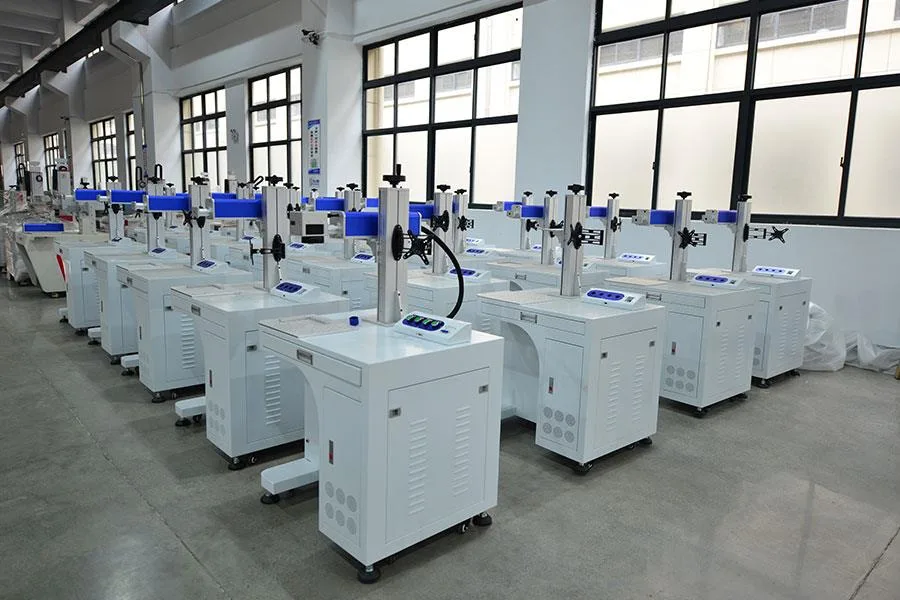
Laser Marking Machine
Application in Consumer Electronics Industry:Computer is an important electronic device in every family, it is an essential electronic device in people's life and work, used for collecting information, documents, sending and receiving emails, editing documents and so on. As a result, the markings on computer mice and keyboards do not show letters or numbers for a long time. Prolonged exposure can lead to fading. Now logos will have laser marking capabilities. The laser marking machine uses laser output signals to achieve the marking function through a high-speed scanning galvanometer system.
Laser marking machine light conversion efficiency, air-cooled, small size, good light efficiency, high reliability. Laser marking technology is different from traditional screen printing and thermal transfer printing: laser marking produces text or patterns that can identify gender. Engraving a unique customised pattern, the pattern can be any graphic element, such as flowers, landscapes, humanistic landscapes and so on.
Laser marking is a personalised laser engraving method, referred to as TIME. advanced laser marking technology is used to engrave personalised patterns, and the effect of colour change of the pattern is displayed using the mouse's built-in far light led. The core of the laser marking machine is to combine the three elements of culture, technology and personal consumption creatively, with high-tech equipment, a little bit of the mouse to show the deep Chinese culture and the common culture of the European and American world. and keyboard.
Mouse and keyboard is not only a product, but also a cultural product that can express consumers' personal feelings. Unique interests and tastes are better able to meet the growing needs of individual consumer groups. Therefore, the mouse, keyboard and other products should be marked with good high-power laser marking to enhance the consumer experience.
UV laser marking refers to a laser marking process. Its principle is to use the laser beam to focus on the surface of various marking materials. Thin, can achieve very fine marking, heat range is very small, the thermal effect is relatively small, and there is no material burning problem, its advantages, can be applied to a wider range of materials.
Advantages of UV laser marking
Compared with infrared lasers, UV lasers use third-order intracavity frequency doubling technology in the 355nm range. During UV laser marking, the focal point of the laser beam is small and the thermal exposure during processing is small. It reduces the risk of deformation of the labelled material and is ideal for fine processing. It is mainly used for applications such as fine food labelling, pharmaceutical packaging labelling, circuit board labelling and glass material labelling.
Most laser applications in the market use infrared laser generators such as carbon dioxide, fibre optics, semiconductors and wafers, but green and ultraviolet light are also available. Of these, infrared laser therapy technology is by far the most mature. This type of laser therapy is widely used in industry, but the potential market for green and UV lasers is also very large. This has not yet been fully realised, especially with regard to the technological and market development potential of UV lasers.
UV laser marking is usually used for fine marking of special materials and is preferred by customers with high marking power requirements. The high-energy UV photon molecules of the UV laser process act directly on the surface of the object to be treated, rapidly removing the molecules from the metallic or non-metallic material. The heat generated in this mode of operation is very low, which is also different from conventional laser applications.
UV laser marking works better on product materials as they have clear patterns and fine textures. The use of UV laser treatment reduces the chances of the material being mechanically affected by 1 per cent, reducing the quality of the workpiece, the stability of the quality and the workability. It is best to emphasise the benefits of good care. I believe that UV lasers will mark the future of the laser market for other technological innovations and industrial applications.