

Why Do They Use Precision Laser Cutting? 5 Benefits of Precision Laser Cutting
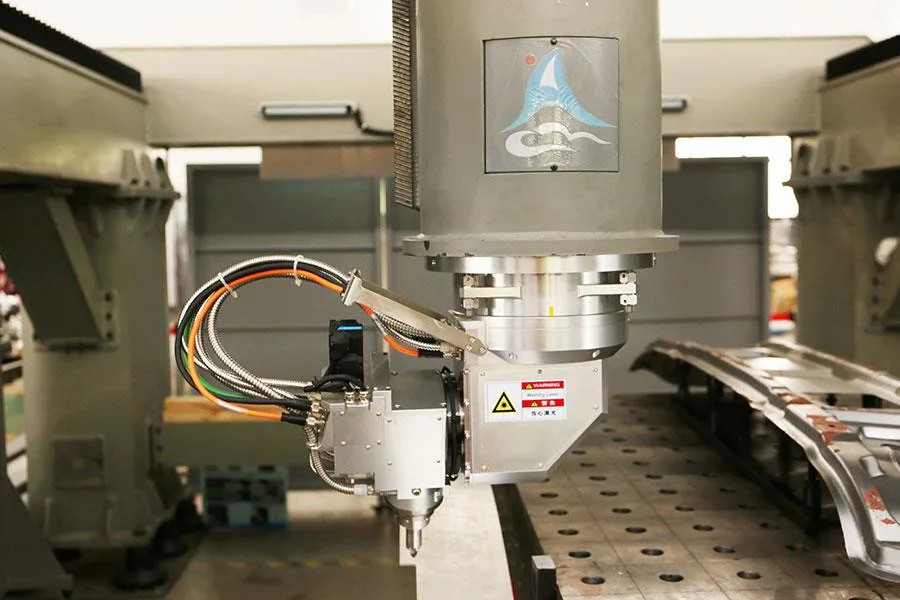
A non-contact, heat-based process, laser cutting delivers precision and edge quality beyond conventional methods — here are five advantages it brings across varied thicknesses and complex shapes.
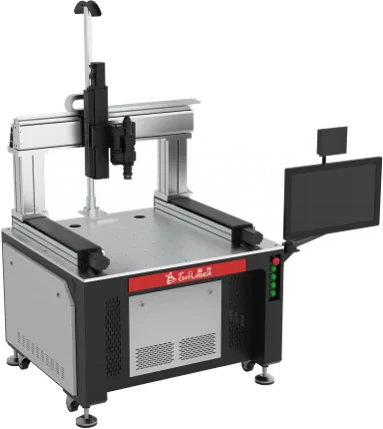
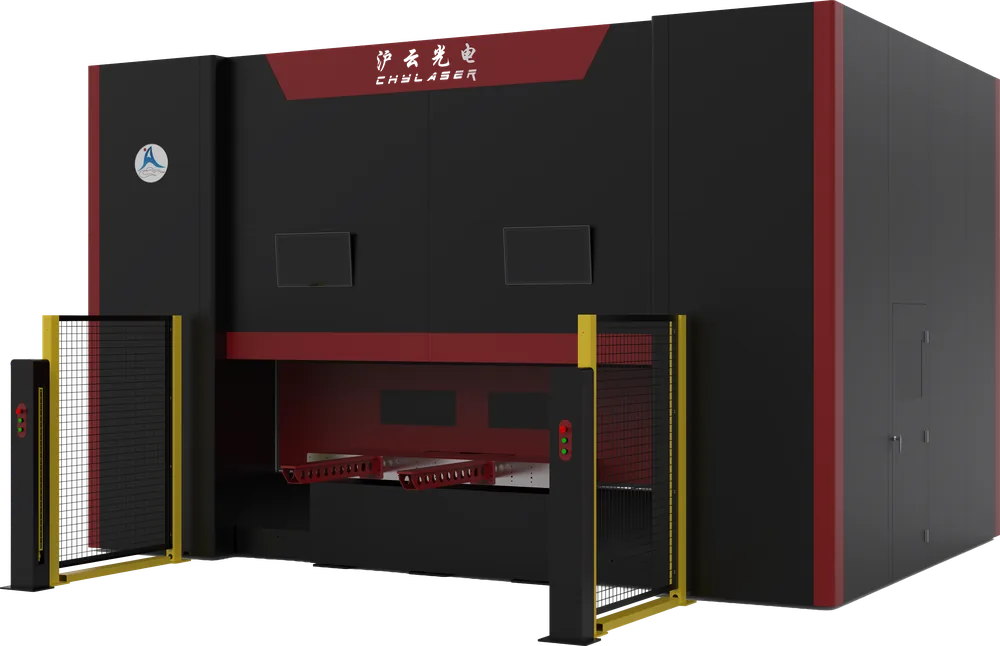
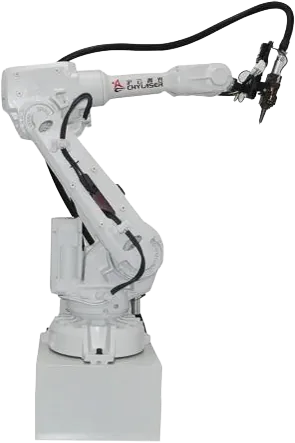
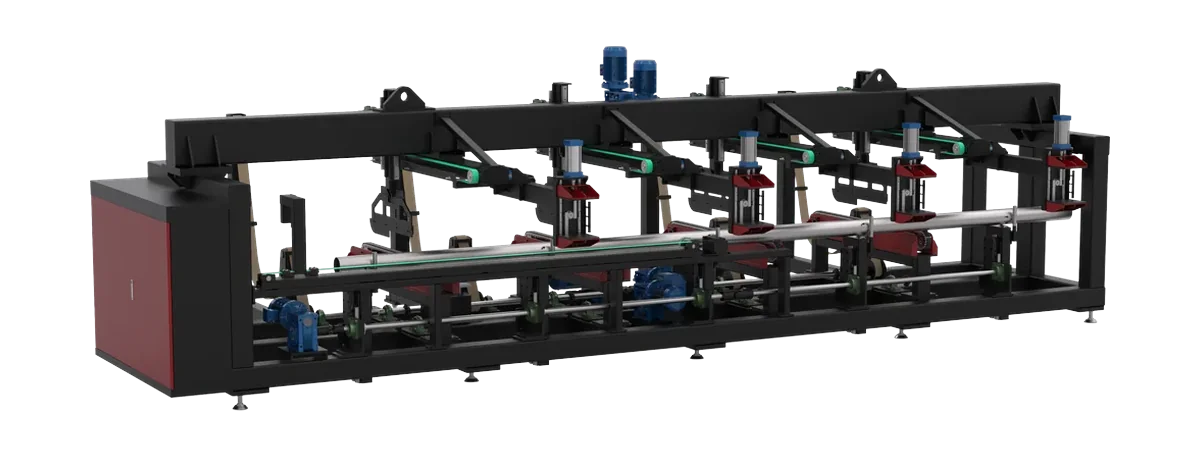
Laser cutting is a heat-based, non-contact manufacturing process that combines concentrated heat and thermal energy to apply pressure through a narrow path or kerf to melt and eject material. Laser cutting offers many advantages over conventional cutting processes:Highly concentrated laser energy and CNC systems allow precise cutting of materials of varying thicknesses and complex shapes. Laser cutting allows for high precision and tight tolerances, reduces waste, and allows a wide variety of materials to be processed. The precision laser cutting process is used in a variety of manufacturing applications and has become a valuable asset to the automotive industry, where complex thick parts are made from materials such as hydroforming, 3D shapes and airbags. The precision electronics industry uses it to improve metal or plastic components, housings and printed circuits. From machine shops to small shops to large factories, they offer many benefits to manufacturers. Here are the top five advantages of using precision laser cutting.
1. Superior PrecisionLaser cut materials offer precision and edge quality superior to conventional materials. Laser cutting uses a highly focused beam of light that acts as a heat-affected zone during the cutting process and does not cause excessive thermal damage to adjacent surfaces. In addition, the cutting process uses a high-pressure gas, usually carbon dioxide, to inject molten material and remove material inserts from the tightest sections, resulting in cleaner cuts and smoother edges on complex shapes and designs. Laser cutting machines are CNC (CNC) enabled, where the laser cutting process can be automatically controlled by machine ready programmes. CNC-enabled laser cutting machines reduce the risk of operator error and produce more accurate parts with tighter tolerances.2.
2. workplace injuries involving employees and equipment can negatively impact a company's productivity and operating costs. Lifting and handling, including cutting, are areas prone to accidents. Laser cutting for these applications reduces the risk of accidents. A non-contact process means that the machine does not physically touch the material. In addition, the laser cutting process generates the beam without operator intervention, ensuring that the powerful beam is safely stored in a sealed machine. Typically, laser cutting requires no human intervention beyond inspection and maintenance, and the process minimises direct contact with the surface of the workpiece, reducing the risk of accidents and personal injury compared to traditional cutting methods. Employees.
3. In addition to cutting complex geometries with greater precision, laser cutting allows fabricators to cut without mechanical modifications, thus permitting a wider range of materials and a wider range of thicknesses. Using the same beam with different outputs, intensities and durations, laser cutting can cut a wide range of metals, similar machine setups can accurately cut materials of different thicknesses, and integrated CNC components can be automated to provide more intuitive operation.
4. Faster lead times The time required to set up and manage a manufacturing facility increases the total cost of manufacturing per unit of output. products and the use of laser cutting processes reduces overall lead times and overall manufacturing costs. The use of laser cutting eliminates the need for stamping and crimping of materials or between materials of different thicknesses. Laser cutting setup time is significantly reduced compared to traditional cutting methods, which require more machine programming than loading the material.
In addition, the same cut can be made up to 30 times faster with a laser than with a conventional saw.
By using the laser cutting process, manufacturers can minimise material waste. Focusing on the beam used in the laser cutting process produces a tighter cut, which reduces the size of hot spots and the amount of damaged and unusable material. Deformation caused by the machine tool can also increase the amount of unnecessary material used when processing soft materials. The non-contact nature of laser cutting eliminates this problem and the laser cutting process allows for cuts with higher accuracy, tighter tolerances and less material damage to the heat affected area. Allowing parts to be designed closer to the material, tighter designs can reduce material waste and lower material costs. The semiconductor industry uses laser cutting in the electronics industry to add cut silicon, gemstones and complex parts to create composite materials, while laser cutting has a wide range of applications in the medical industry, including medical devices and equipment. Medical manufacturing, precision tube cutting and surgery require sterile and precise cutting. The resulting smaller heat zone reduces material waste, which lowers overall costs, and the non-contact nature reduces the risk of workplace injuries and accidents. The laser cutting process has shorter programming and format conversion times, providing greater production flexibility and minimising lead times.